

In the constant battle against kitchen grime, a powerful and sustainable ally has emerged: enzyme-based cleaners. Unlike traditional chemical solvents that merely emulsify or dissolve grease, these bio-cleaners employ a sophisticated biological process to dismantle stubborn fats and oils at a molecular level. For anyone seeking an effective kitchen degreaser that is both tough on grime and gentle on surfaces and the environment, understanding the science behind enzyme action is key.
The Science of Enzymatic Action: Nature's Demolition Crew
At their core, enzymes are biological catalysts—specialized proteins that accelerate chemical reactions without being consumed in the process. Enzyme-based kitchen grease cleaner products harness specific types of enzymes, primarily lipases, proteases, and amylases, each targeting a different component of kitchen mess.
- Lipases: These are the star players in any degreaser for stove or grill. They specifically target lipids (fats and oils), breaking the long-chain triglyceride molecules into smaller, water-soluble components like glycerol and free fatty acids.
- Proteases: These enzymes attack protein-based soils, such as dried egg, milk, or meat residues that often mix with grease, making stains more stubborn.
- Amylases: They focus on breaking down starches from foods like pasta, potatoes, or sauces.
When applied as a kitchen cleaner, the solution penetrates the grease layer. The enzymes then bind to their specific target molecules like a key fits into a lock. This binding destabilizes the molecular bonds holding the grease together, a process known as catalysis. The solid, sticky grease matrix is systematically dismantled into tiny, loose fragments that are easily suspended in water and wiped away. This targeted action makes an enzymatic degreaser for cabinets exceptionally effective on the sticky, polymerized grease that accumulates on vertical surfaces around cooking areas, where heat and time have baked on the residue.

kitchen grease cleaner

kitchen degreaser

kitchen cleaner
Advantages Over Conventional Chemical Degreasers
The biological mechanism of enzyme-based cleaners offers distinct benefits that are driving their popularity in both household and commercial settings.
1. Deep Cleaning and Odor Elimination: Chemical kitchen degreaser products might strip the top layer of grease but can leave a film. Enzymes work continuously until their food source (the grease) is gone, leading to a more thorough clean. Furthermore, by completely breaking down organic matter, they eliminate the food source for odor-causing bacteria, thus tackling smells at their root rather than masking them with perfumes.
2. Surface and Environmental Safety: High-alkaline or solvent-based cleaners can damage finishes on appliances, stone countertops, and sealed wood. Being pH-neutral and non-corrosive, enzymatic kitchen grease cleaner formulas are generally safe for a wide range of surfaces, including delicate cabinet finishes, making them an ideal degreaser for cabinets. Their ingredients are typically biodegradable and derived from renewable sources, posing less risk to aquatic life and reducing toxic chemical runoff.
3. Effectiveness on Polymerized Grease: Heat transforms liquid grease into a hard, plastic-like coating—a common challenge on oven doors, range hoods, and stovetops. The persistent action of enzymes allows them to seep into and break apart this hardened matrix, a task where many instant-acting chemical sprays fail without heavy scrubbing. This makes a specialized degreaser for stove tops and ovens with enzyme formulas particularly valuable for deep cleaning.
Best Practices for Using Enzyme Cleaners
To maximize the effectiveness of an enzyme-based kitchen cleaner, users should follow a few key steps:
Pre-clean and Apply: Remove loose debris. Spray or apply the cleaner generously, ensuring complete coverage of the greasy area.
Dwell Time is Critical: This is the most important step. Unlike acidic or alkaline cleaners that work instantly through chemical reactions, enzymes need time to biodegrade the grease. Allow the solution to dwell on the surface for 10-20 minutes, or even longer for heavy buildup. The visible breakdown of the grease will occur during this period.
Wipe and Rinse: After the dwell time, the grease will have liquefied or loosened significantly. Wipe it away with a damp cloth or sponge. A final rinse with water may be recommended to remove any residual cleaning agents and broken-down soils.
The Future of Green Cleaning
As the demand for effective yet eco-conscious cleaning solutions grows, enzyme technology stands at the forefront. Innovations continue to enhance enzyme stability in formulations and broaden their effectiveness across temperature ranges. For the consumer faced with a greasy stovetop, grimy cabinets, or a filthy range hood, choosing a powerful kitchen degreaser powered by enzymes represents a shift towards cleaning that works in harmony with biology. It offers a powerful, residue-free clean that respects both the home environment and the planet, proving that sometimes, the most powerful cleaner is not the harshest one, but the smartest one.
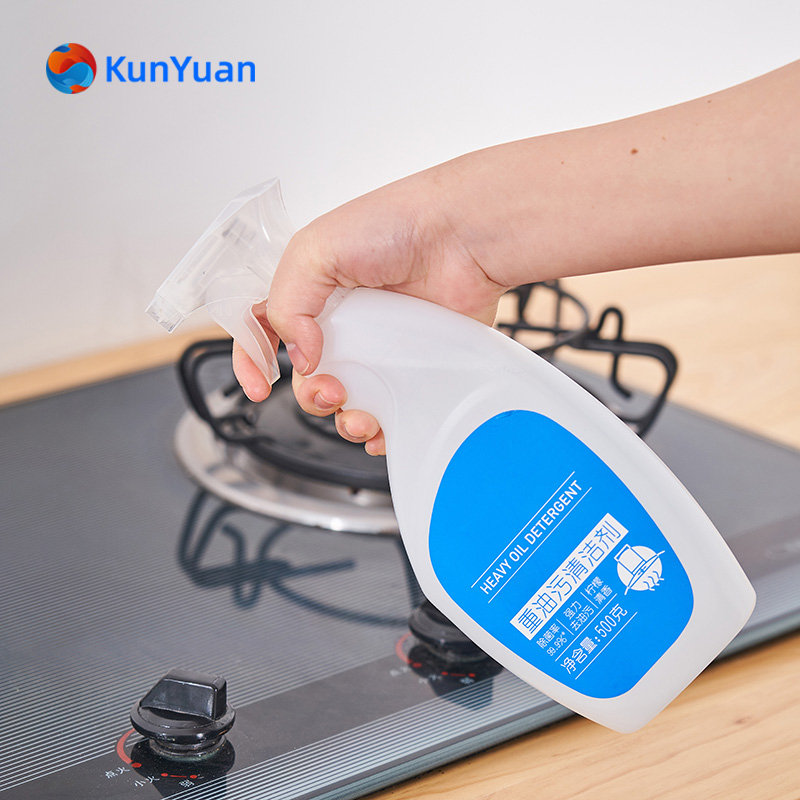
kitchen cleaner
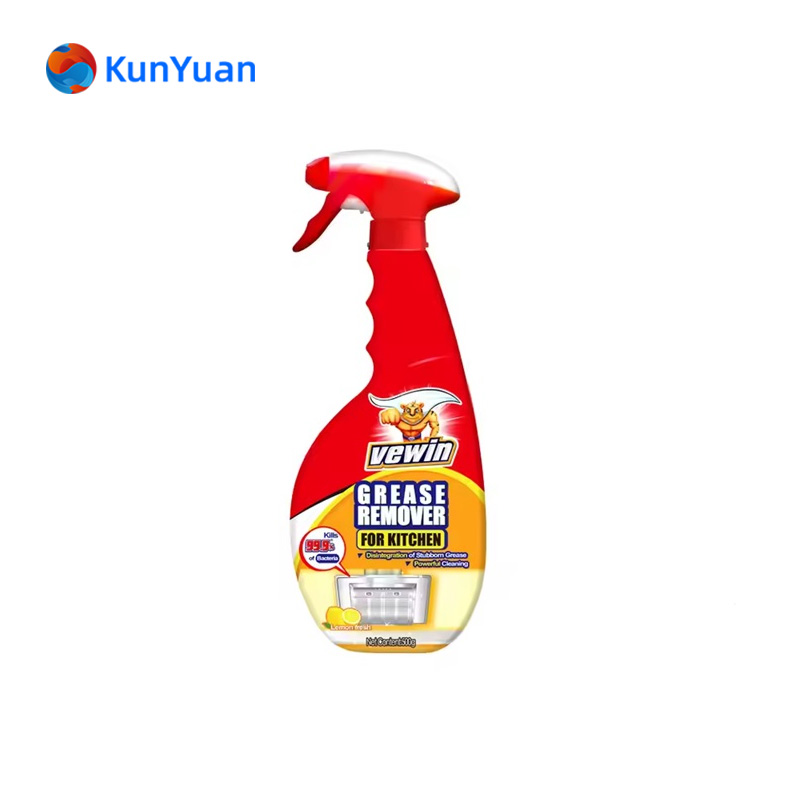
kitchen grease cleaner
degreaser for stove